
SD-WAN RFP Questions: Complete Guide with Copy-Paste Examples
This guide provides an SD-WAN RFP template that you can adapt for your business' needs, alongside a deeper framework based on Netify's own 20 pillar SD-WAN and SASE RFP framework. This template not only helps you ask the right questions but guides you on how to compare vendors.
When you're evaluating SD-WAN vendors, having a well-structured RFP (Request for Proposal) is essential for securing comparable, high-quality responses. We've found that many IT teams understand they need an SD-WAN RFP but struggle with how to structure it properly, often ending up with vendor responses that are difficult to compare side-by-side.
This guide provides an SD-WAN RFP question set that you can adapt for your business' needs, alongside a deeper framework based on Netify's own 20 pillar SD-WAN and SASE RFP framework. This template not only helps you ask the right questions but guides you on how to compare vendors objectively and avoid being steered by marketing claims.
Everything detailed here is also available through the Netify RFP Builder, where questions are pre-structured, though you can use this guide independently to build and run your RFP (alternatively you can leverage the Netify platform to generate the same structure in minutes).
Want to build your SD-WAN RFP but don't know where to start? Try Netify's free SD-WAN RFP builder app.
SD-WAN RFP Framework (Copy-Paste)
The following template provides a vendor-neutral structure you can copy into Word or Google Docs and customise - you can also use it as a checklist to validate an existing RFP.
Section 1: Introduction and Background
Provide a brief description of your organisation, including industry, size, and any relevant regulatory or compliance obligations such as PCI DSS, HIPAA, or GDPR.
Summarise your existing WAN environment, covering connectivity types in use (MPLS, DIA, broadband, 4G/5G), current SD-WAN, firewall, or security platforms if any, and high-level topology such as hub-and-spoke, partial mesh, or cloud-centric architecture.
Describe your reasons for moving to SD-WAN/SASE, such as reducing total WAN and security costs, improving application performance for voice/video/ SaaS, improving security, regulatory compliance reasons, supporting cloud and remote-worker strategies or standardising platforms across regions or business units.
The 20 Pillar SD-WAN and SASE RFP Framework
Whilst the template above gives a quick overview, the best RFPs require understanding and descriptions of specific technical and operational areas. For example, the following framework has been created by us at Netify to break down SD-WAN and SASE evaluation into 20 pillars, each addressing a capability that vendors frequently misrepresent or overlook.
1. Platform Stability and Lifecycle
Platform stability refers to whether you're buying into a well-known vendor with proven platform or a newer product where features haven't been tested so extensively. As SD-WAN platforms handle essential traffic for your business, protecting against outages, performance degradation or unexpected behaviour is absolutely essential.
Key areas include how long solutions have been in production, how often vendor's provide support/updates, how long hardware models remain supported before reaching end-of-life and whether the vendor has a clear upgrade path that doesn't require complete replacements.
2. Deployment and Zero-Touch Provisioning
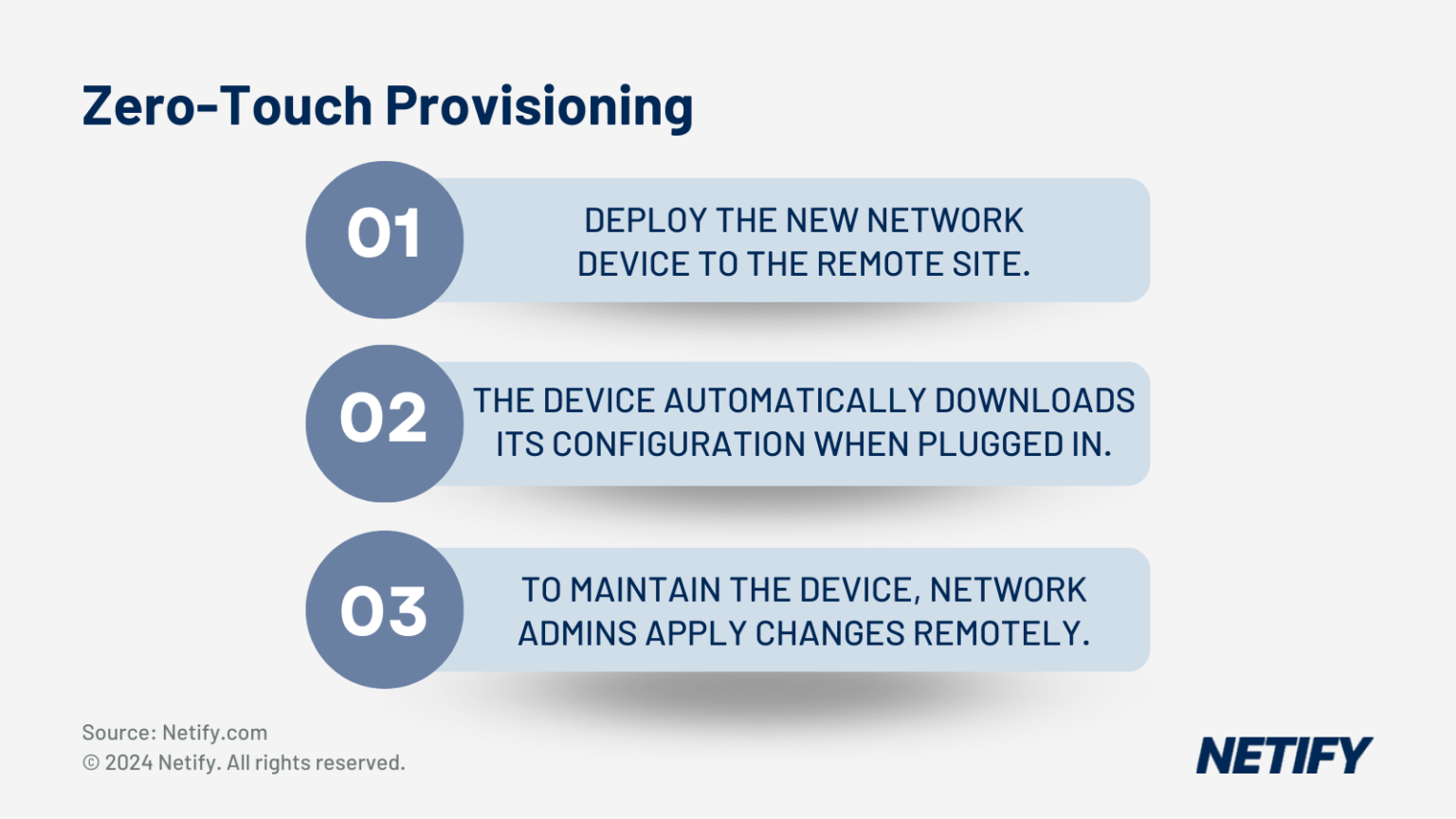
For predicting project timelines, costs and the likelihood of configuration errors during rollout, understanding deployment complexity is essential. The more complex, the higher the likelihood for errors. On the flip side to this, with zero-touch provisioning an appliance can be shipped directly to a remote site, plugged in by non-technical staff, and automatically connect back to the central orchestrator to download its configuration - meaning that one-off human errors can be minimised by reducing repetitive tasks.
You should ask suppliers to describe their zero-touch provisioning process from appliance unboxing to production readiness, including fallback procedures if initial connectivity fails.
3. Configuration and Change Management
Configuration management determines how easily you can deploy policies consistently across hundreds of sites, make changes without causing outages and maintain an audit trail for compliance purposes. For example, poor configuration management can lead to issues with inconsistencies between sites, increased operational overhead and introduces security risks.
One of the best ways to avoid these issues is through template-based configuration for similar site types and with version-controls/rollback capabilities. For this, ask how vendor's platforms handle template-based configuration for multiple similar sites and what approval/rollback mechanisms are available for policy changes?
4. Application-Aware Routing and Optimisation
Arguably the most-marketed SD-WAN capability, Application-Aware Routing (AAR) is essential for providing performance improvements to your business applications - however the quality of AAR varies significantly between vendors. You'll need to assess how each platform identifies applications beyond simple port and protocol inspection, whether it can distinguish between different SaaS applications using the same cloud infrastructure and how quickly it detects and responds to path degradation.
5. Network Segmentation
Segmentation should be in a mainstay in any given network system as it helps to minimise the impact of security incidents, meet compliance requirements and simplify policy management. You should ask potential vendors to describe their segmentation capabilities including maximum segments per device, how inter-segment traffic is handled and whether policies can be enforced consistently across branch, data centre and cloud environments.
6. Underlay Independence
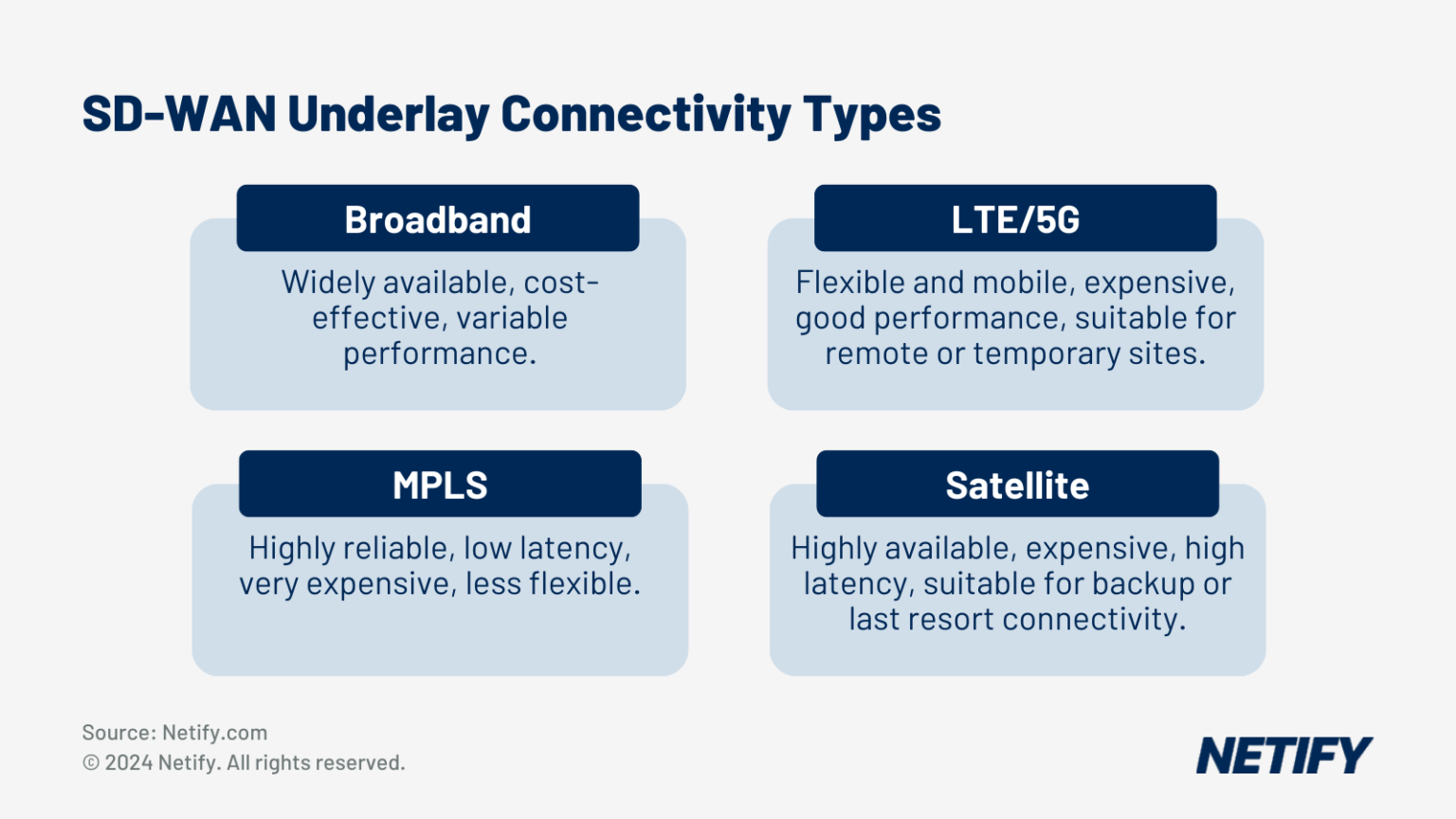
Regardless of which vendor you choose, you'll want to know which underlays your chosen SD-WAN will work with. Underlay independence means the SD-WAN platform can work across any underlay, whether that's MPLS, broadband, 4G/5G, or satellite - meaning you're not locked into specific carriers or transport types and can optimise costs by using the most appropriate connectivity for each site.
7. Performance and Throughput
Whilst performance and throughput numbers are often a key selling point, we'd warn against believing all claims without greater context. For example, performance specifications can appear impressive but under the hood they can be being measured with encryption disabled, without security services active or using specific packet sizes that don't reflect real-world traffic patterns. Understanding true performance under load is essential and therefore you'll want to ask what the maximum throughput of appliances (with IPsec encryption and all security services enabled) are and how that performance degrades as you increase the number of overlays, segments or policy rules.
8. Monitoring, Visibility and Analytics
To identify and resolve network issues, understand usage patterns and demonstrate compliance in regulated industries, monitoring capabilities are a must - however as with many of these capabilities, visibility varies from vendor to vendor. Basic monitoring might tell you a link is down, whilst advanced analytics can predict issues before they impact users and provide detailed application performance metrics. Check with potential vendors what metrics their platform collects and at what granularity, how long historical data is retained, whether you can correlate network performance with application experience, what alerting and notification options exist and whether the platform provides API access for integration with your existing monitoring tools.
9. Out-of-the-Box Features versus Add-Ons
Some solutions can be marketed with a massive range of features, only for your business to implement and realise half of them are missing - understanding what's included in base licensing versus what requires additional purchases or subscriptions is essential for accurate cost comparison. For example, some vendors include a full security stack and optimisation features in their base SD-WAN license, whilst others charge separately for nearly every capability.
Key areas to explore include which features are included in the base SD-WAN license, what additional licenses or subscriptions are required for full functionality, whether there are different tiers or packages that affect feature availability and how licensing is structured (such as per-device, per-user or per-Mbps).
10. Support Model and SLAs
Support quality affects everything from initial deployment through day-to-day operations and incident response. Understanding what level of support you actually get and how quickly issues are addressed is important for planning operational resources, therefore you should ensure vendors provide clear details on their support tiers, including response time SLAs for different severity levels, access to engineering resources and how support costs are structured.
11. SASE and SSE Integration
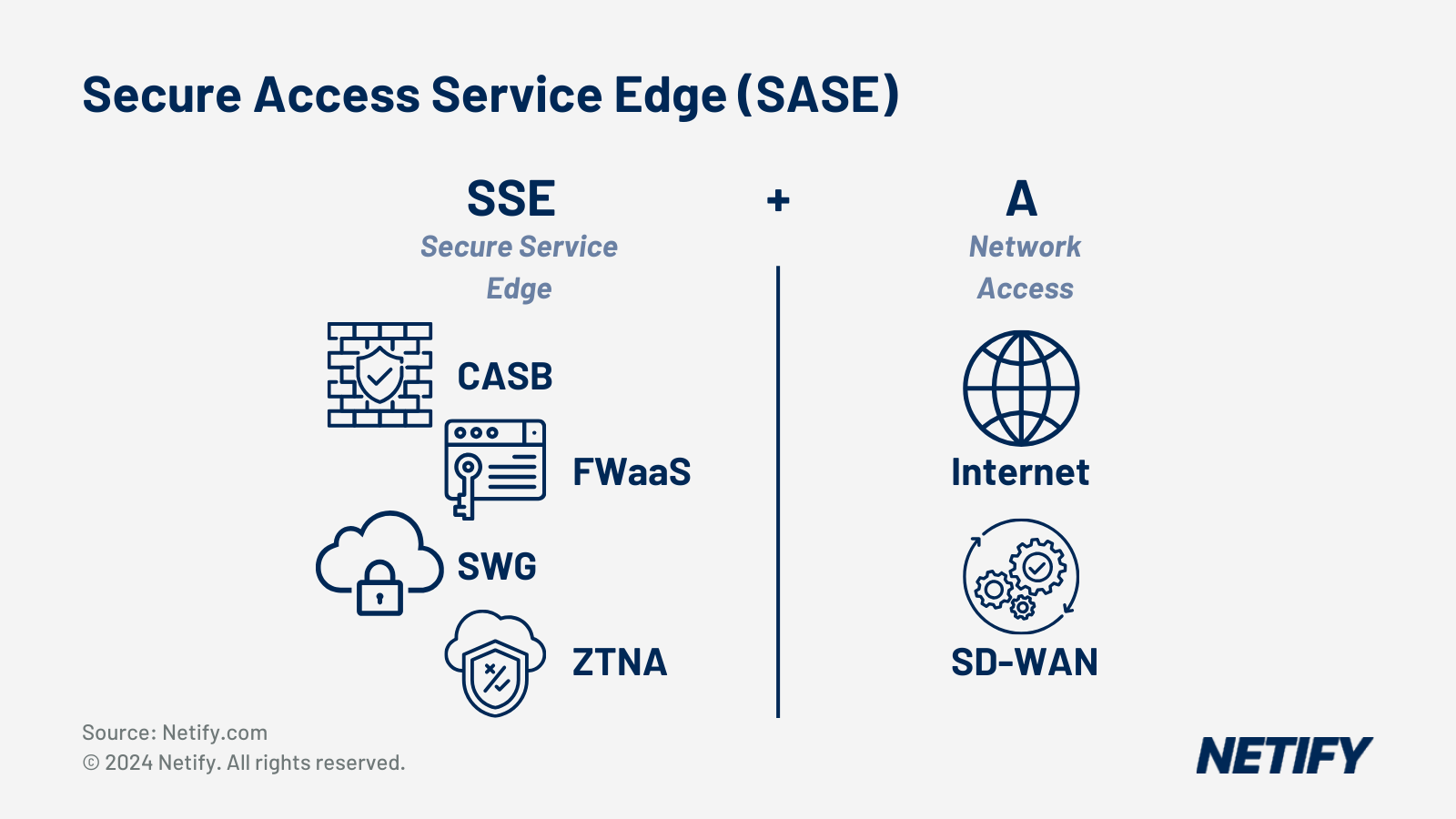
As organisations move towards SASE rather than just SD-WAN, understanding how vendors integrate SD-WAN with security service edge capabilities becomes more important. Some vendors offer SASE built from the ground up with tightly integrated platforms where SD-WAN and SSE share infrastructure, whilst others provide SSE bolt-ons for their SD-WAN through partnerships with multiple vendors. This can lead to greater complexity when things go wrong as there can be finger-pointing or greater difficulty troubleshooting in the latter of these integrations.
We'd recommend that you ask vendors to explain how their SD-WAN platform integrates with SSE capabilities, including whether these are native or partnered, as well as how policy management works across network and security functions.
12. Cloud On-Ramp and Multi-Cloud Support
For most businesses, Software-as-a-Service (SaaS) apps and cloud usage (including both PaaS and IaaS) has become the new norm. This has translated to cloud connectivity becoming increasingly central to SD-WAN deployments, but as per other elements, how vendors implement cloud on-ramps varies significantly. For example, native integration with cloud providers typically means better performance and simpler management than generic IPsec tunnels to cloud platforms and apps.
Some of the key points to tackle are:
- Which cloud providers does each platform natively integrate with,
- Whether it supports multiple clouds simultaneously,
- How it handles cloud-to-cloud traffic,
- Whether it can leverage cloud provider backbone networks,
- How application steering decisions account for cloud-hosted resources.
13. AIOps and Self-Healing Capabilities
By utilising AIOps and automation capabilities, businesses can significantly reduce operational overhead by detecting issues, identifying root causes and implementing remediation automatically. Given, these capabilities range from basic automated alerting through to sophisticated predictive analytics and autonomous remediation, it's important to select a vendor that caters to your business' requirements.
To do this, ask vendors what types of issues the platform can detect automatically, whether it can predict problems before they impact users, what remediation actions it can take autonomously, how it prevents false positives from triggering unnecessary changes and what visibility you have into automated actions and their results.
14. Remote Users and Client Software
With the rise of remote workforces, supporting remote workers has never been more important. However, supporting remote workers the likes of feature parity with site-based deployments, ensuring all user's have the same experience and you minimise your operational and administrative burden. If you need to support remote workers, consider these key areas for SD-WAN - how resource-intensive it is on endpoint devices, whether remote users receive the same application steering and security as site-based users, how the client handles transitions between networks and what management and troubleshooting capabilities exist for remote endpoints.
15. Middle-Mile Optimisation
Middle-mile optimisation refers to how the SD-WAN vendor's network infrastructure handles traffic between your sites. Vendors with extensive private backbone networks can offer predictable performance, whilst those relying primarily on public internet provide less control over the path your traffic takes. Ask vendors what percentage of traffic between sites traverses your own backbone infrastructure versus public internet and what performance SLAs can you provide for inter-site connectivity?
16. Licensing and Commercial Models
Licensing complexity can make it difficult to forecast costs accurately or compare vendors fairly. Understanding not just the upfront price but how costs scale as you add sites, users, bandwidth or features is essential for budgeting.
Get vendors to explain their licensing model in detail, including what's covered in base pricing, how costs scale with site count or bandwidth requirements and what flexibility exists for mid-contract changes.
17. Environmental Sustainability
For businesses want to achieve environmental sustainability (either from corporate responsibilities or regulatory requirements), cutting down on device power consumption is only the beginning.
Begin by asking vendors for appliance power consumption figures, whether virtual or cloud-native deployments are available to reduce hardware footprint, the vendor's hardware recycling and disposal programmes, their own operational carbon footprint reduction commitments and if they have any relevant environmental certifications.
18. API-First Architecture and Integration
API access determines how easily you can integrate SD-WAN with your existing tools, automate operations, and extract data for custom analytics or reporting. Strong API support enables infrastructure-as-code approaches and integration with security and monitoring platforms.
You should ask vendors to describe their API capabilities, including what operations are supported, authentication mechanisms and any limitations or rate limits that apply.
19. Supply Chain and Hardware Sourcing
Understanding where hardware is manufactured, what alternative supply chains exist and how the vendor manages supply chain risks can be the difference between concern and pre-planning around potential disruptions.
To know how you'll be able to plan ahead, check where appliances are manufactured, what are typical lead times and what alternative sourcing or sparing options exist for business continuity.
20. MSP and Partner Enablement
If you're working with a managed service provider or system integrator, understanding how the vendor enables and supports partners affects implementation quality and ongoing operations. Strong partner programmes typically mean better-trained staff and more established operational processes.
Key areas to explore include what training and certification programmes exist for partners, how the vendor supports multi-tenant management for MSPs, whether partner margins are competitive enough to sustain quality service delivery, what co-management capabilities exist between you/your MSP and how the vendor handles escalations involving partners.
Building Your SD-WAN RFP: Step-by-Step Approach
Using the template and 20 pillar framework together creates a complete RFP that balances breadth and depth. The following approach helps you structure an effective procurement process.
Define Your Objectives Clearly
Start by documenting why you're moving to SD-WAN/SASE and what success looks like. Common objectives for this include cost reduction, performance improvement, security enhancement or supporting business initiatives (such as cloud migration or remote working). Be specific about targets such as reducing WAN costs by 30% or improving application performance for Microsoft 365.
Document Your Current State
Provide vendors with sufficient context to propose appropriate solutions - this includes your network topology, site details, applications, bandwidth consumption patterns, current pain points and any constraints like budget limits or timeline requirements. The more context you provide, the better vendors can tailor their responses.
Select Relevant Pillars and Questions
Not every pillar will be equally important for your organisation. A branch-heavy retail deployment might prioritise zero-touch provisioning and supply chain resilience, whilst a cloud-first organisation might focus on multi-cloud support and SASE integration. Select the pillars that align with your objectives and focus primarily on questions in these areas.
Structure for Comparable Responses
Consistent response format makes evaluation significantly easier. Specify how vendors should structure their responses, whether they should answer questions in order, what appendices you want such as case studies or certifications, and what format you prefer like Word, PDF, or online portal submissions.
Define Your Scoring Methodology
Establish evaluation criteria before receiving responses to avoid bias - to lock these valuations in and increase awareness, share these weightings with vendors so they understand what matters most to your decision and reduce your chances of changing them at a later date.
How Netify Simplifies This Process
The Netify RFP Builder implements this framework as a guided workflow - you select which pillars matter most to your organisation, the platform generates structured questions and vendors respond directly within the system. By providing more standardised questions, responses received are automatically more aligned to your requirements and make comparison more straightforward.
The key benefits of using our app centre around our pre-structured vendor-neutral questions that cover all 20 of these pillars, with questions setup to create a standardised response format and the ability to invite SD-WAN and SASE vendors directly to respond, alongside integrated FAQs and messaging to allow quick and easy clarifications without email chains.
Example RFP Sections in Detail
The following examples show how you can build sections of your RFP with sufficient detail to allow for meaningful vendor responses.
Platform Stability Requirements
Requirement: The proposed SD-WAN platform must demonstrate production maturity with at least two years of deployment history in environments comparable to ours.
Vendor response required: Provide the number of production deployments of similar scale to our environment, your software release cadence including how you differentiate between minor updates and major versions, typical duration of support for major versions before requiring upgrade and any significant architectural changes planned for the next major release.
Deployment and ZTP Requirements
Requirement: Sites must be deployable using zero-touch provisioning with appliances shipped directly to non-technical staff at remote locations.
Vendor response required: Describe your ZTP process from appliance receipt through production readiness, what connectivity the appliance requires for initial setup, how the process handles scenarios where underlay circuits are not yet active, what happens if provisioning fails or is interrupted, typical time to provision and whether any site visits or technical resources are needed.
Security and SASE Requirements
Requirement: The solution must provide integrated security capabilities including SWG, CASB and ZTNA with consistent policy enforcement across sites and remote users.
Vendor response required: Describe whether security functions are native to your platform or provided through partnership(s). Explain how policies are defined and managed across network and security functions, whether remote users receive identical security coverage to site-based traffic and what the performance impact of enabling full security stack is.
Cloud and Remote Worker Requirements
Requirement: The platform must support connectivity to AWS, Azure and Google Cloud Platform environments, with native integration where available.
Vendor response required: Describe your native integrations with each cloud provider, whether you support multiple clouds simultaneously for the same applications, how application steering works for cloud-hosted resources, whether you can leverage cloud provider backbone networks for inter-cloud traffic and how you handle hybrid applications split between on-premises and cloud infrastructure.
Scoring and Comparing Vendor Responses
Once responses arrive, you'll want to evaluate them with as little bias as possible - therefore it's important to ignore potential marketing terms you've heard and focus solely on the RFP response and its fit for your requirements. One way you can do this is by creating a scoring matrix that maps requirements (with higher scores for more important features) to vendor responses.
For technical requirements, score on a scale such as fully meets, partially meets, does not meet, or unclear/insufficient response (assign point values like 3, 2, 1, 0 respectively) and multiply by the requirement's weight. For commercial evaluation, consider not just headline pricing but total cost of ownership (including hardware, licensing, underlay services if bundled, professional services for deployment, ongoing support and maintenance and costs to scale if your requirements grow).
For vendor stability, assess factors such as years in business, financial health, customer base size and retention rates, whilst also referencing qualitative data such as customer feedback.
Conclusion
Creating an effective SD-WAN RFP is made easier with our 20 pillar framework that ensures you dig into areas where marketing claims can often obscure what you'll actually be getting.
Whether you build your RFP independently using this guide or leverage our Netify RFP Builder platform, the key is maintaining consistency in how you gather and evaluate vendor responses. Focus on structured questions, clear requirements and systematic scoring to help you make decisions based on actual capabilities rather than sales presentations.

Harry holds a BSc (Hons) in Computer Science from the University of East Anglia and is ISC2 Certified in Cybersecurity (CC). He serves as a Cybersecurity Writer here at Netify, where he specialises in enterprise networking technologies. With expertise in Software-Defined Wide Area Networks (SD-WAN) and Secure Access Service Edge (SASE) architectures, Harry provides in-depth analysis of leading vendors and network solutions.
Fact-checked by: Robert Sturt - Managing Director, Netify
Frequently Asked Questions
How long should an SD-WAN RFP process take?
A typical timeline runs 8-12 weeks from RFP publication to vendor selection. This includes 2-3 weeks for vendor responses, 1-2 weeks for initial evaluation and shortlisting, 2-3 weeks for detailed demos or proof-of-concept and 1-2 weeks for final evaluation and decision - however, it's worth noting that larger or more complex procurements may require longer timelines.
How many vendors should I include in my RFP?
We'd recommend looking for 5 to 8 vendors to provide sufficient competition whilst keeping your evaluation manageable. Fewer than five may limit your options, whilst more than eight creates evaluation overhead and can introduce confusion/fatigue for reviewers. To avoid this, focus on vendors whose solutions genuinely fit your requirements rather than casting too wide a net.
Should I include pricing requirements in my initial RFP?
Yes, but structure pricing requests carefully as not all vendors price their products in the same format. For example, ask for unit costs such as per-site or per-user pricing so you can compare like-for-like. You should request a breakdown of one-time and recurring costs, as well as what causes any cost variation (such as site count, bandwidth or feature selection).
What if vendors cannot answer all questions?
Some gaps are acceptable if clearly explained, for example a vendor might not have a specific feature but offer a viable alternative approach. You should consider what matters most to your business, if you're happy with a feature being missing and if a vendor is being transparent about it. Be wary of vague responses such as a feature being 'on a roadmap for X year' or available through partners without concrete details about timing or implementation.
Should I run a proof-of-concept before selecting a vendor?
POCs are incredibly valuable as they'll be a great way to see a real version of a given solution, especially important if you have specific technical concerns or unique requirements. However, you should structure POCs with clear success criteria and typical use cases from your environment - a 2-4 week POC with 2 or 3 finalists is usually sufficient to validate critical capabilities.
What if my requirements change during the RFP process?
Issue formal amendments to all vendors simultaneously, giving them equal time to adjust responses. Significant changes might warrant extending the submission deadline and you should document all changes carefully and ensure your evaluation criteria still align with the revised requirements.
How do I handle vendor clarification requests?
You should require all questions in writing, share all questions and answers with all vendors to maintain fairness and document everything. Set a deadline for questions well before the response deadline to give vendors time to incorporate answers into their submissions.
What should I do if no vendor meets all requirements?
Prioritise your requirements into must-have's against nice-to-have's. A vendor meeting 100 percent of must-haves and 70 percent of nice-to-haves may be better than one meeting 90 percent across the board.
How do I evaluate managed and self-managed options?
Consider your team's skills and capacity realistically as management can add a fair amount of overhead, which can be a burden for under-prepared IT network teams.
- Managed services cost more but include operational expertise and may reduce time-to-value.
- Self-managed gives you more control but requires dedicated resources.
It's worth considering that many organisations start with managed services and transition to self-managed as they build expertise. However, studies indicate managed SD-WAN does add 30-82% to costs.