
Azure SD-WAN
Azure SD-WAN is designed for connecting Azure regions, leveraging Microsoft's connectivity and improving network security.
Azure Software Defined Wide Area Networks (SD-WAN) offers a network management solution for connecting Azure regions. Azure SD-WAN connects distributed workforces and networked appliances regardless of whether they are on-premises, remote, at branch sites or across multiple cloud environments. Azure SD-WAN is part of Azure Virtual WAN, Microsoft’s offering for various network connectivity, security and routing capabilities through a single centralised system. This unified system provides a central control for the entire network and increases network scalability by reducing management complexity and leverages Microsoft’s connectivity for improved performance.
Key Features of Azure SD-WAN
Azure SD-WAN offers hybrid cloud support, which enables reliable links for both Software-as-a-Service (SaaS) and Infrastructure-as-a-Service (IaaS) migrations and operations.
Maximising User Experience (UX), optimise connection to Office 365 applications. To improve the connection, Azure SD-WAN utilises intelligent network routing by minimising latency and maximising throughput to Office 365. This means that application performance improves.
Azure SD-WAN leverages virtualised firewall, advanced encryption, segmentation and intrusion prevention. This enables secure access for mobile users and branch offices through a cloud-delivered Secure Access Service Edge (SASE). These security capabilities assist with maintaining compliance with corporate policies and regulations.
Technical Overview of Azure Virtual WAN with Azure SD-WAN
Azure SD-WAN is delivered through the Azure Virtual WAN, which offers both direct and indirect ways to establish connections.
Direct Interconnect Model
The Direct Interconnect model in Azure Virtual WAN uses Microsoft's cloud infrastructure by enabling direct IPsec connections from branch office Customer Premises Equipment (CPE) to Azure Virtual WAN hubs. This enhances Azure connectivity, improving performance of Office 365 applications, amongst other Azure resources. By connecting directly, this removes intermediary appliances, simplifying the network architecture and enables the use of IPsec encryption.
Indirect Interconnect Model
Alternatively, the Indirect Interconnect model utilises the deployment of virtual Customer Premises Equipment (vCPE) within the Azure Virtual Network (vNet). This enables greater control of the virtual network, and enables more scalable, flexible changes to the network routing and security configurations. This model therefore minimises the need for on-premises appliances, which can save overhead costs.
Deployment Requirements for Azure SD-WAN
In order to deploy Azure SD-WAN, an Azure account and active subscription is required. This enables users to create and manage Azure resources, such as resource groups, virtual networks and virtual machines.
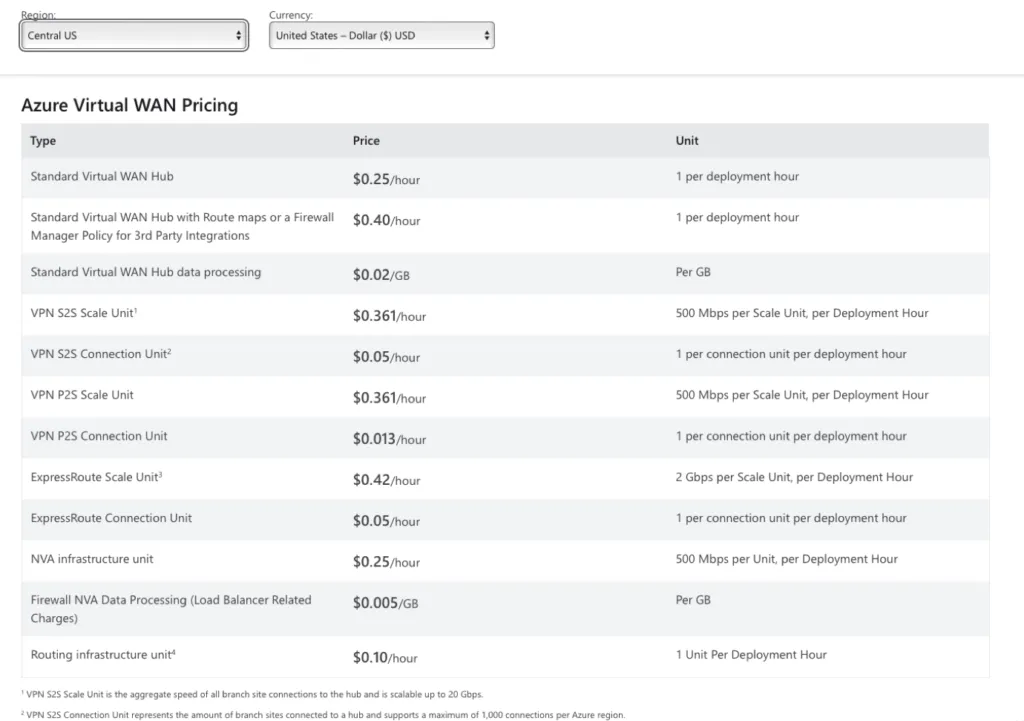
Integrating Azure SD-WAN with existing network infrastructure for traffic routing management over virtual network gateways, necessitates VPN/SD-WAN setup at branch locations. Integration requires deploying SD-WAN devices that are Azure Virtual WAN compatible, allowing for seamless transmission of data between branch offices and the Azure Cloud. This transmission is over site-to-site VPN tunnels, which are encrypted to ensure security of data whilst in transit.
Another requirement is Azure VPN for remote clients, a point-to-site VPN connection allowing an encrypted tunnel directly to Azure Virtual WAN. This setup not only ensures the security of the network but also simplifies the connectivity without the need for additional hardware. Through Azure Active Directory (Azure AD), Microsoft’s cloud-based identity and access management service, enables verification of user identities and assists with the enforcement of access control policies. Azure ExpressRoute is a service for private connections between on-premises infrastructure and Microsoft Azure data centres. Azure ExpressRoute facilitates dedicated private connections to manage traffic routing over virtual network gateways.
When considering network security, Azure SD-WAN integrates network security services from Azure partners. This enables Azure SD-WAN to utilise network virtual appliances (NVAs) via Azure Virtual WAN hubs, providing the network with enhanced security protection. Through configuring Azure SD-WAN management tools, it allows network resources to be adapted in real time. The unified portal offers a primary interface, with third party SD-WAN connections for deployment and operations monitoring.
These features allow Azure SD-WAN to maintain consistent security management across both on-premises and cloud environments, reducing network complexity. However, should businesses lack a dedicate team for managing the Azure SD-WAN, Managed Service Providers (MSPs) can administer and orchestrate both the SD-WAN and Azure Virtual WAN. This improves operational efficiency and reduces the workload for network administrators.
Cybersecurity and Azure SD-WAN
Azure SD-WAN integrates advanced threat protection for seamless security, utilises security tools such as Next-Generation Firewall (NGFW) with virtual WAN. These integrations help secure the network across cloud and hybrid environments.
To ensure compliance with data privacy regulations, Azure SD-WAN enables secure connections via encrypted VPN connections and ExpressRoute. This allows Azure SD-WAN to support compliance with a range of standards frameworks, such as HIPAA and PCI DSS. By providing a better posture, Azure SD-WAN can leverage cloud for business operations.
Additional Information from Recent Updates
Azure SD-WAN can be integrated with third party solutions to improve security and connections within Azure Virtual WAN hubs. This improves the protection of network traffic and data, using advanced security measures to prevent breaches and threats.
New updates have introduced automatic and customised configuration, enabling virtual applications to be hosted directly within virtual WAN hubs. This simplifies maintenance of the network, reduces manual work and therefore improves efficiency/accuracy of the maintenance process. Customised configuration also enables organisations to tailor their network to their specific criteria and providing greater control over the network for administrators.
Conclusion
In conclusion, Azure SD-WAN simplifies connectivity between distributed workforces and Azure cloud, whether they are on-premises, at a branch office, hybrid or remote. Whilst simplifying the connection, Azure SD-WAN also automates the process of optimising connection performance and enhances security of communications. By leveraging Artificial Intelligence alongside partnerships with leading cybersecurity firms, Azure SD-WAN integrates advanced network security to protect the network across multiple access planes. Furthermore, as Azure SD-WAN is part of Microsoft, it can leverage Microsoft Azure’s global dedicated connectivity for improved access to Office 365 cloud applications. For businesses with a strong dependence on Office 365 cloud applications, Azure SD-WAN therefore offers an improved user experience through minimised latency.

Harry holds a BSc (Hons) in Computer Science from the University of East Anglia and serves as a Cybersecurity Writer here at Netify, where he specialises in enterprise networking technologies. With expertise in Software-Defined Wide Area Networks (SD-WAN) and Secure Access Service Edge (SASE) architectures, Harry provides in-depth analysis of leading vendors and network solutions.
Fact-checked by: Robert Sturt - Managing Director, Netify